ALL OUR JEWELRY IS 100% HAND-MADE

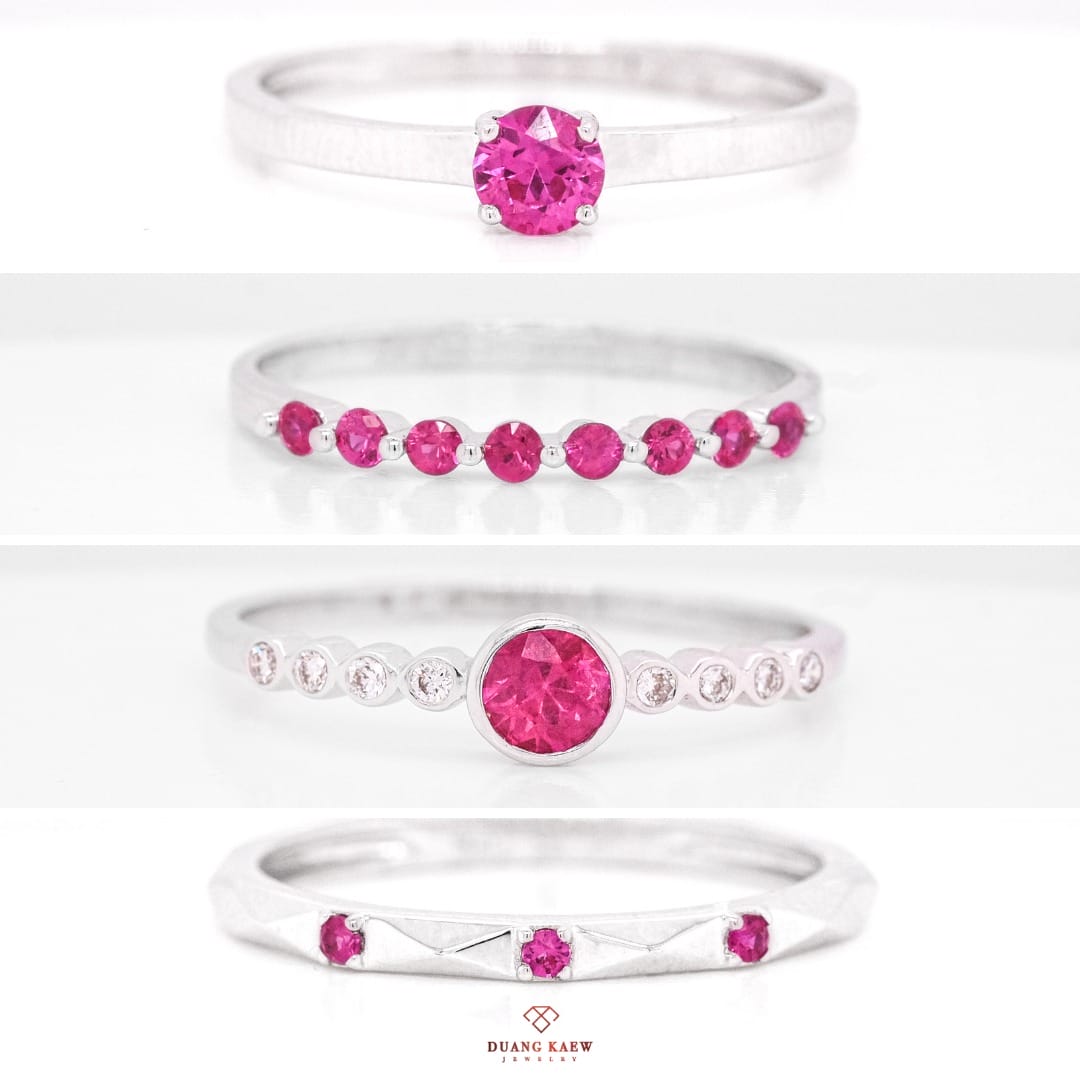

💎 Raw (Unheated) Ruby vs. Heated Ruby — When Fire Awakens Gem Beauty
One of the most misunderstood terms in the ruby trade is “heated.” Far from being a scandal, heat treatment is a widely accepted method to enhance color and clarity — but the distinction between unheated and heated remains critical to value.
Main Differences
• Unheated (Raw) Ruby
This is ruby in its untouched state — no thermal intervention, no fillers. Its color, inclusions, and internal structure remain as nature formed them. These rubies are extremely rare and prized.
Unheated rubies often contain visible inclusions or uneven color zones, but those very features are celebrated by purists. A top-quality, unheated ruby commands premium value due to its scarcity.
• Heated Ruby
Heat treatment commonly involves temperatures above 1,700°C to:
1. Intensify or correct color
2. Reduce the prominence of inclusions
3. Increase transparency and brilliance
Some rubies undergo flux heating (a process that uses special additives to “heal” fractures) or glass-filling, in addition to heat, for further improvement.
Impact on Value
• A high-quality unheated ruby (especially if color-saturated and clean) often commands far greater prices than a comparable heated stone — the premium lies in its untouched purity.
• Heated rubies, meanwhile, are more accessible. They offer bold color and clarity at more moderate cost.
• Overheated or heavily treated rubies (e.g., glass-filled) may lose structural integrity or long-term stability, which can reduce their market value.
How to Detect & Choose
1. Request a lab report — reputable labs (GIA, AGL) will specify whether a ruby is heated or unheated.
2. Check under UV light — some rubies react differently after heating or filling.
3. Look for overly perfect stones — if a ruby seems too flawless, it might have been treated intensively or altered.
Summary
Heat treatment is a useful tool to unlock the potential of many rubies, but for collectors or discerning buyers, a well-colored, clear, unheated ruby remains the apex of rarity and value. For Duangkaew Jewelry, presenting both types — clearly labeled and certified — empowers clients to understand the difference and choose confidently.