ALL OUR JEWELRY IS 100% HAND-MADE

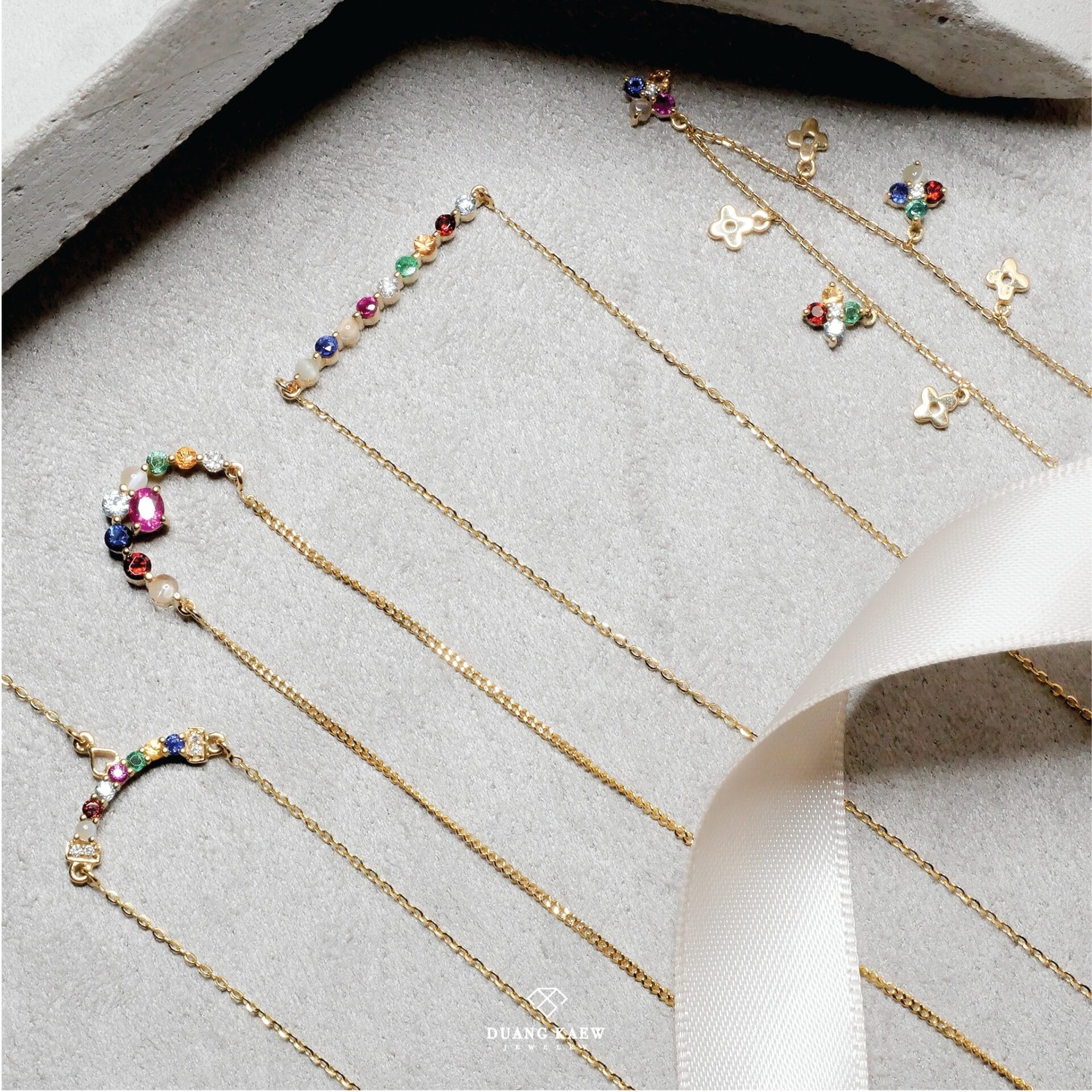

💎 The Rise of Ceylon Sapphires – Why Sri Lanka’s Blue Gems Are in Demand
In the world of coloured gemstones, the term “Ceylon sapphire” evokes a particular quality: vivid blue colour, excellent clarity, and a storied origin. The island nation of Sri Lanka (formerly Ceylon) has mined sapphires for centuries, and today these stones are highly sought after by designers, luxury jewellers and wholesale gemstone specialists.
Historically, Sri Lanka has been a major source of gem-quality corundum (the mineral that yields sapphires and rubies). One gem-site summary notes: “Sri Lanka … has historically been an abundant source of sapphires.” According to one article: “Blue sapphires [in Sri Lanka] have been mined there as far back as the second century A.D., and by the fourth and fifth centuries they were in active international trade.”
What makes Ceylon sapphires popular today are several interlocking factors:
• Colour and tone: The island’s geology produces sapphires with lively cornflower-to-royal blue tones, often with a slightly lighter body colour than some other sources. That lighter tone can play beautifully in jewellery while still being intense enough to be classed as “premium”.
• Provenance & story: Buyers increasingly care about origin. Saying “Ceylon sapphire” signals a benchmark reference to quality and historical source.
• Range of hues: Although blue is most coveted, Sri Lanka also produces pink, yellow, and “Padparadscha”-type sapphires.
• Cutting and supply infrastructure: Sri Lanka’s gem industry benefits from long-standing cutting tradition which helps deliver well-finished stones, not just raw rough.
For your business, this means that stocking sapphires labelled “Ceylon origin” can command stronger interest and higher margins—provided transparency and certification back the claim. Even if some stones come from other regions, educating your client base on what “Ceylon sapphire” means helps you build trust and differentiation.
Furthermore, sapphire from Sri Lanka links jewelers and collectors to the centuries of gemstone heritage while offering the vibrant tone that modern design demands.
In practical terms: when sourcing Ceylon sapphires, look for documentation of origin, minimal heating or treatment (if possible), good clarity and saturation, and a compelling cut. Even though the demand of “blue sapphire” in the world market has critically rises, the source of the qualified Ceylon blue sapphire has declined to the shortage. Sri Lanka, the motherland of great quality blue sapphire are being competed as the “Ceylon blue sapphire” being export to sell in international market, for example, Chantaburi province in Thailand is now one of the major hubs of trading Ceylon sapphire in the world.
In short, the rise of Ceylon sapphires is not just about colour—it’s about story, heritage and design-ready quality. For a wholesaler specialising in coloured gemstones, embracing that narrative gives you an edge in a market where many buyers focus only on carat or price. You provide the larger context—and that elevates value.